


In today’s article, we will discuss the ratio of AAA bond yields to Treasury bill yields.
Understanding Interest Rates: Fact And Fiction
When interest rates rise, bond prices fall because investors aren’t willing to pay as much for a bond that will pay them less than current interest rates.
Fine-Tuning Your Investing Skills

Stocks will almost always outperform other investments whenever unemployment insurance claims have increased 15% or more from the prior year.
When To Dump Stocks Before They Hit The Skids

Understanding the stock market’s fluctuations is crucial. By following its cues, you can strategically know when to dump stocks before they decline and reenter the market when there’s potential for growth, thereby making informed investment decisions.
What Is The Best Stock Market Forecaster?

The best stock market forecaster for the next twelve months…

Easy Guide For Investing In Small Stocks
There are two main strategies for investing in small stocks…
Discover One Simple Investing Rule
Navigating The Stock Market’s Volatility Will Depend On Following One Simple Investing Rule…
Investor’s Guide: How To Invest In Bonds
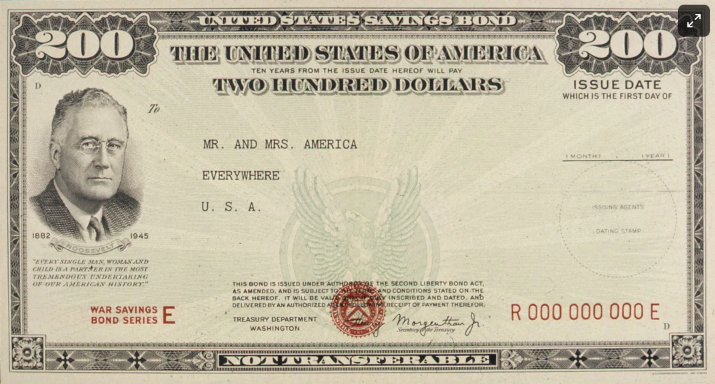
Want to strengthen your portfolio’s risk-return profile? This comprehensive guide on how to invest in bonds can create a more balanced portfolio by adding diversification and calming volatility.
Advantages of Investing In Exchange-Traded Funds ETFs

In the vast landscape of investment opportunities, investing in exchange-traded funds (ETFs) have emerged as a popular and versatile choice for both novice and seasoned investors.

The Power of Small Cap Stock Investing
The key to avoiding recessionary blowouts with small stocks is understanding what makes them thrive when inflation is high.
How Inflation Affects Your Investment Decisions

Over the long haul, inflation is the prime mover of investment markets.
How To Pick Top-Quality Small Stocks

In this article, we pinpoint five criteria for picking top-quality small stocks.
Why are Financial Advisers Ignoring Top Performing Investments?

It’s essential to consider top performing investments, such as gold and other critical commodities, as part of your investment portfolio.
Investing In Bonds: Risks & Rewards

America may avoid a calamitous recession or depression in the years ahead. But if one does occur, investing in bonds is the best insurance against it…
Pro Tip: Investment Portfolio For Inflation Risk Offset

This article focuses on constructing an investment portfolio for inflation conditions, including those suitable for income investors who may be vulnerable to losses during inflationary periods.
Investing In REITs – Risks & Rewards For Investors

How can investors decide if investing in REITs is right for them?
Investing In Gold ETFs Versus Gold Bullion
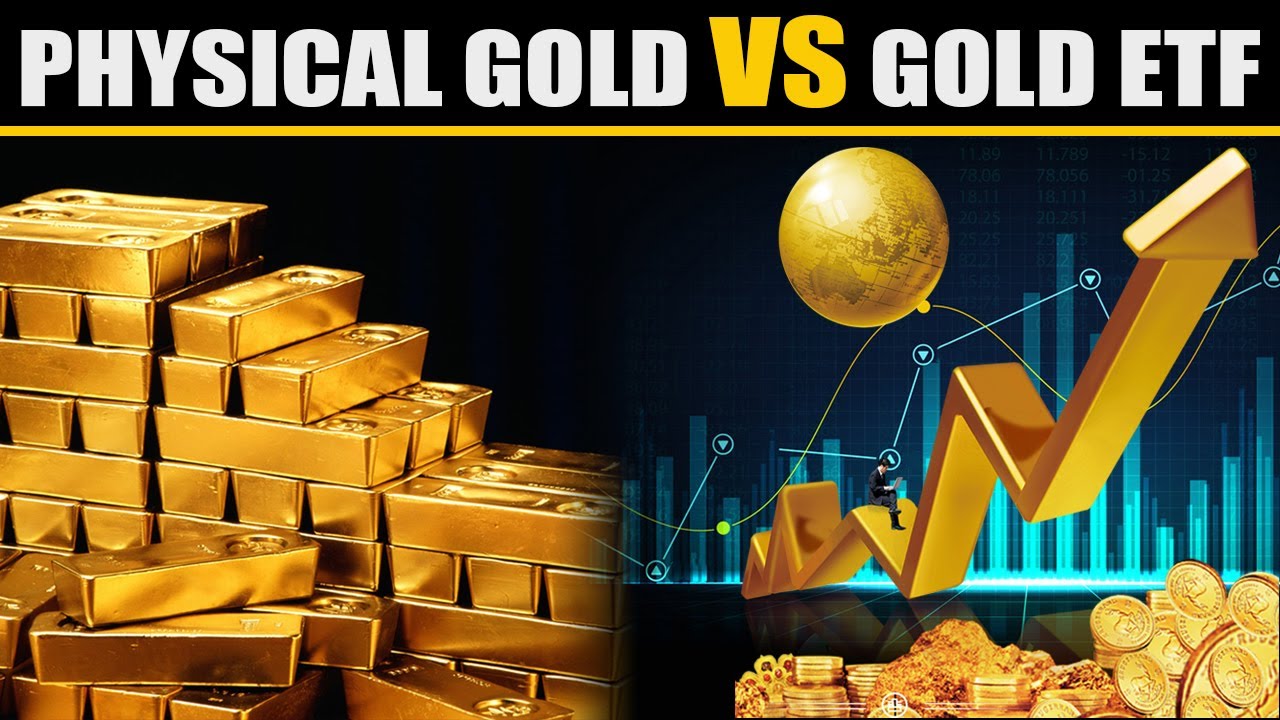
A few distinct variables may make one person feel more comfortable investing in gold bullion. In contrast, others feel more comfortable owning Gold ETFs, exchange-traded funds.
- Page 1 of 2
- 1
- 2
