
First Quarter 2011
Stocks, as measured by the S&P 500, have been quite resilient in the face of the world's woes, putting in their best first quarter in more than 10 years. Considering the macro events – ranging from revolutions to tragic natural disasters, the still weak (although improving) US economy and the euro debt mess – equities put in an impressive showing. Stocks’ biggest correction, from their mid-February peak to the mid-March low, was only 6.5%, and by the end of the quarter the market as a whole had recovered those losses.
The broad-based nature of the market’s year-to-date advance has been particularly encouraging. Indications of accelerating growth of the U.S. economy, with a gradual amelioration in the anemic labor market, together with improving corporate earnings, have helped US shares.
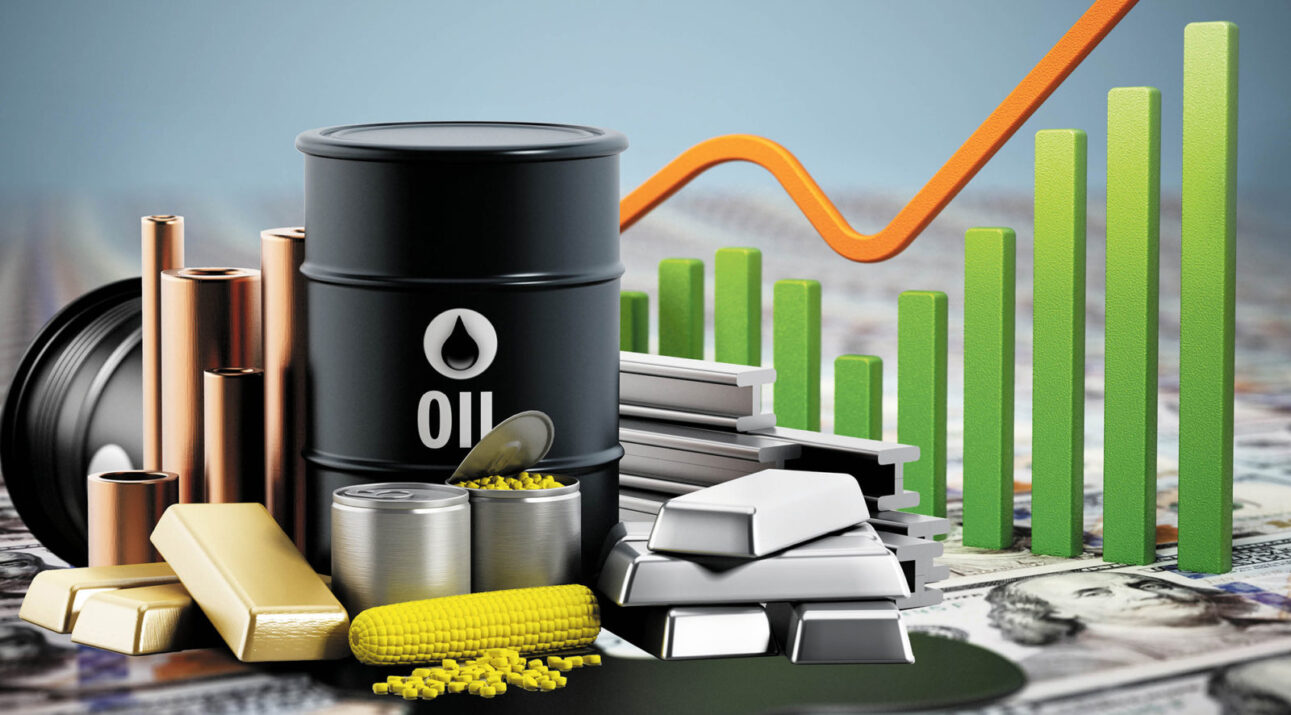
Precious metals fared even better than equities. Gold has outperformed, reaching new highs in the process, and silver rallied strongly as well, to its highest level in a generation. Market participants have turned to the metals in search of safety – and not only from the volatility in the Middle East and the triple disaster in Japan, but first and foremost to escape the curse of devaluing currencies.
Oil also rallied, as the direct result of the events in the Middle East – and, indirectly, due to Japan. So far, the increases in the price of oil have been fairly well tolerated. It does not mean that the risk of commodity inflation is negligible, though, it’s just being postponed. Moreover, as we’ve pointed out in previous communications, much of the inflationary pressures are coming from China.
Today, the Chinese worker, not the American worker, is the driving force behind the inflation cycle. It is higher Chinese wages that will make consumer products more expensive in the US. Moreover, the Chinese worker will stay in charge as long as American consumer spending remains low and, consequently, so does US growth. In turn, we see this leading to a weaker US dollar, and even higher inflation.
Because of our tepid economy, the Federal Reserve has no choice but to maintain a stimulative monetary policy or else risk another recession. Liquidity must be kept high and short-term interest rates will remain at rock bottom, even if higher inflation will result.
This is why, while we are encouraged by the recent stock market action, we remain vigilant going forward. In addition to the risk of inflation, which endangers consumer spending and may negatively impact growth later this year, there are several factors that can negatively influence the stock market. The still unresolved euro-debt situation, while having been pushed back from the headlines, presents a significant challenge. Plus, the massive US debt burden is another issue that has to be dealt with sooner rather than later.
Details on our various portfolio strategies are discussed below.
Growth Portfolio
In our Growth Portfolio, our strategy remains intact – we focus on what our research shows to be dominant companies with double-digit earnings growth over the long term. We also remain firm believers in the power of macro trends. This past quarter, the Fed’s easy money policy, the weak dollar and higher commodity prices, have all been reflected in our investment picks.
With the continuing growth of the developing world, we remain overweight the materials sector. While we have slightly reduced our overall exposure to the sector, it was mostly to lower our copper exposure. In the current economic environment and given rising uncertainty, we remain strong believers in gold and, especially silver.
Also in the first quarter, we sought to take advantage of the projected growth in the energy sector. The biggest laggard among the materials so far has been oil prices. Even with the Middle East tensions and rapidly rising prices this year, oil is still trading well below its 2008 highs. We used the opportunity to capitalize on the still-undervalued sector, looking for companies with good organic growth profiles. We are pleased to note that several energy companies were among our performance leaders for the quarter.
Some of our technology picks were also the among performance drivers for the quarter. Technology is a sector, we believe, that can provide solid growth as economic recovery continues. As is typical for our strategy, we sought financially sound companies with below-market projected P/E-to-earnings growth (PEG) ratios. We see these trends intact and likely gaining steam in the second quarter.
We made several new purchases in other sectors as well, although overall our portfolio turnover was rather limited. And, while our new and previously acquired stocks are selected with growth objective in mind, we remain vigilant, protecting portfolios with precious metal positions, and by dedicating some room to more conservative holdings.
Income and Growth Portfolio
First quarter of 2011 generally picked up where 2010 left off for dividend-paying equities. Several holdings experienced more than the usual volatility, but generally equity values ended up on higher ground.
As we move into the rest of 2011, there are still several major positives for the markets in general. Despite a move in the benchmark 10-year Treasury note yield to around 3.5 percent – and a backup in municipal bond yields on credit worries – corporate borrowing rates remain at the lowest levels in half a century.
Coupled with still high equity values, the result is a very low cost of capital, particularly for investment-grade companies. And that, in turn, continues to advantage managements, who can use cheap funding to eliminate near-term refinancing risk, slash interest costs and increasingly to fund future growth.
Companies have also started to loosen the purse strings for dividend increases. Over time, dividend-paying stocks’ prices follow the level of their dividends. Consequently, dividend growth means both higher income streams for investors and rising stock prices. That’s a major potential catalyst for further gains in 2011, on top of those we’ve reaped in 2009 and 2010.
Large sectors of the US and global economy are still weakened and unemployment in this country is still at a very high level. That means not every dividend and high yield should be trusted. But it also means there’s slack in the economy, always a necessary condition for stock market gains.
The biggest negative for income investors: High expectations, as reflected in the gains we’ve seen for everything from utilities, real estate and telecoms to master limited partnerships and Canadian stocks since the March 2009 bottom.
Higher expectations mean more room for disappointment, which is what creates selling. And as we saw in March, the most fundamentally secure companies are just as vulnerable to steep declines as weaker fare.
One reason is the use of stops by many investors to “protect” themselves, with the goal of locking in the big gains they’ve enjoyed. In reality, a multitude of stops executed at roughly the same time and level can set off an avalanche of selling, driving down a stock’s price dramatically before there are enough bids to catch it.
The good news is this type of selling is always short lived. In fact, we’ve seen many stocks recover most or all of their steep losses the same day they plunge. Those who set stops, however, are more often than not flushed out at or near the day’s lows, and can only helplessly watch the recovery.
All this argues for a no-nonsense approach to income investing, and now more than ever. Instead of levering up or using gimmicks like stops, we buy and hold high quality, dividend-paying stocks. We collect the income and watch dividend growth drive their values higher.
That remains our approach in the Income & Growth Portfolio. Again, the key question is never the day’s headlines. It’s whether or not companies we own are still on track to build long-term wealth. And that remains our primary goal for you, our valued client.
Peak Resources and Energy Portfolio
Commodities and their related stocks continued to perform well (for the most part) in the first quarter. Demand for materials continued apace from emerging market economies, led by China, which expanded at an impressive 9.7 percent annual rate in the first three months of the year. Bolstering the sector was somewhat stronger demand in the United States and Europe.
Energy prices were lifted by revolution in Libya, which resulted in that country’s prize light sweet blend of oil coming off the market. While Libya accounts for only a small portion of the global trade in oil, with supplies tight everywhere but in Cushing, OK it was enough to send the benchmark Brent crude to $115 a barrel (its highest level since fall 2008) by quarter’s end.
As was the case in 2008, if left unchecked rising oil prices could lead to another global recession. While we are likely not at that point just yet, it is something we are watching closely. Should oil prices spike much higher we would be inclined to take a more defensive posture in our Peak Resources, and indeed in all of our portfolios.
The other event(s) that punctuated the quarter was the devastating earthquake and tsunami in Japan, and resulting nuclear disaster. These tragic events have caused a contraction in that important economy and led to disruptions in segments of the global supply chain. Ultimately, however, the country’s rebuilding efforts, estimated to exceed $300 billion, will add to the call on resources.
The Fukushima disaster has forced countries the world over to reconsider their nuclear power development plans. In light of the desire to limit the release of greenhouse gases, countries will therefore have to rely more on renewables to meet their power needs. For instance, China will continue to develop nuclear power, but as part of its latest five-year economic development plan the country has doubled its already ambitious spending plans for renewables such as wind and solar power.
In addition to its uses in industrial applications, demand for silver will soar as solar installations ramp up. For wind, the important metal is copper, along with rare earth elements. Supplies of all of these materials remain tight and are likely to become even tighter with time.
The demand-driven commodity inflation in the first quarter was reinforced by the Federal Reserve’s on-going easy monetary policy of quantitative easing. This unprecedented money printing has had the effect of pushing down the value of the US dollar relative to other currencies and made dollar-denominated commodities dearer.
The US government’s mounting debt load, now exceeding $14.5 trillion, is raising concerns about the enduring role of the dollar as the world’s reserve currency, and even our AAA sovereign debt rating. There’s a very real prospect of a much lower dollar and inflation spiraling rapidly higher as the year progresses. For an indication of this, you have to look no further than gold hitting record highs when the official inflation rate is less than 3%.